
What If You Didn’t Need an Hour for Self-Care?
Most of us know what we should do to feel better. Sleep more. Stress less. Meditate. Exercise. Eat well. Spend time in nature.
And most of us don’t do it — not because we don’t want to, but because the gap between where we are and where we think we need to be feels impossibly wide.
But what if the gap is smaller than you think?
What if a few seconds of genuine intention could quietly change the texture of your day? Not a complete overhaul. Not an hour of journaling before sunrise. Just a small, deliberate pause — a moment you return to yourself before the world pulls you somewhere else.
That’s what micro rituals are. And they’ve become one of the most grounding parts of my slow living practice.
What Is a Micro Ritual?
A micro ritual is any small, intentional act that you do with presence rather than on autopilot.
It’s not the act itself that matters — it’s the quality of attention you bring to it. Boiling the kettle becomes a ritual when you stand there and actually notice the sound of the water, the warmth rising from the mug, the quiet before the day begins. Making your bed becomes a ritual when you smooth the pillow and feel, for just a moment, that you’ve created one small patch of order in the world.
Micro rituals aren’t about adding more to your day. They’re about bringing more of you to what’s already there.
In a world that moves fast and rewards busyness, they’re a quiet act of resistance. A way of saying: this moment matters. I matter.
If you’ve been wondering why modern life feels so relentless, you’re not imagining it — we’re living in an increasingly hyperactive society, and micro rituals are one of the gentlest ways to push back.
Morning Micro Rituals (for grounding)
Mornings don’t have to be complicated. A small ritual can offer steadiness before the day unfolds.
- Light a candle before opening your laptop. A gentle signal to begin — your brain learns that this means now we move slowly and intentionally.
- Sip your tea or coffee without distractions. Just you and your cup. No phone, no news, no scrolling. Even five minutes of this changes the quality of your morning.
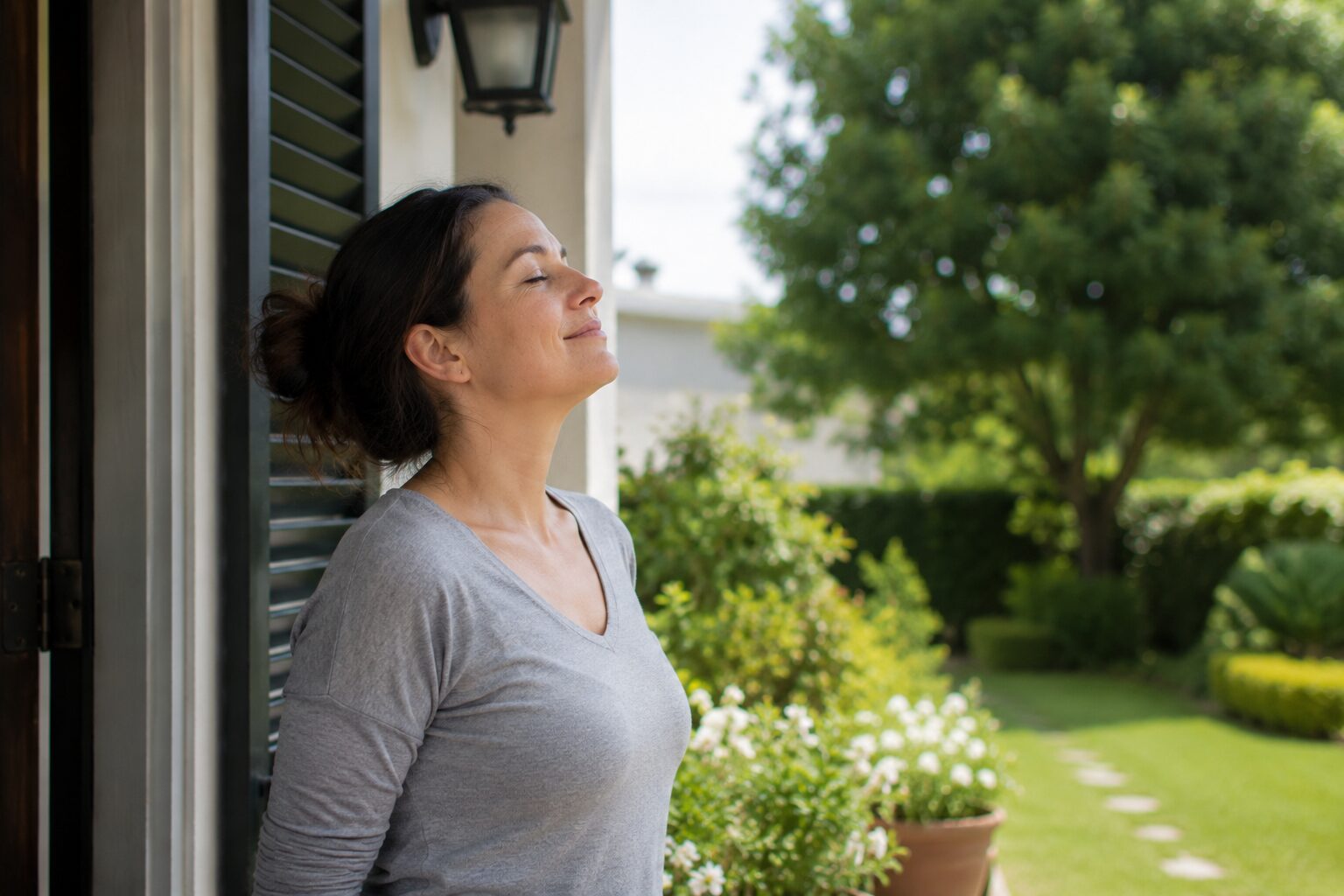
- Open a window and breathe deeply three times. Feel the air. Notice the light. A simple renewal that costs nothing.
- Write one sentence about how you feel. Not a journal entry — just one honest line. It creates a thread of self-awareness through your day.
Midday Micro Rituals (for balance)
Even on full days, a pause can help you return to yourself.
- Step outside for five minutes. Sunlight and air refresh the mind in ways that another cup of coffee simply cannot.
- Place a hand on your heart before a difficult conversation or meeting. A subtle way to center yourself and remember you’re a human, not just a function.
- Write a single line of gratitude. One sentence is genuinely enough. The practice trains your brain to scan for what’s good rather than what’s missing.
- Eat lunch away from your screen. This single habit, done consistently, can reduce afternoon fatigue significantly.
Evening Micro Rituals (for unwinding)
The way we close the day shapes how we rest. Micro rituals ease the shift from doing to being.
- Switch to softer light. Lamps or candles in the evening signal to your nervous system that the day is winding down. Your body responds.
- Brew a small cup of herbal tea. The act of making it — the warmth, the scent, the few minutes of waiting — is as calming as drinking it.
- Put your phone in a drawer. A symbolic closure to the day’s noise. Not forever — just for now.
- Name three small things that happened today. Not achievements — just moments. The light through the window. A kind word. Something that made you smile.

Why Micro Rituals Actually Work
This isn’t just about feeling nice — there’s real substance behind why small intentional practices make a difference.
They soothe the nervous system. Just as life is full of micro stresses — the ping of a notification, a tense email, the low hum of background busyness — micro rituals offer micro pauses. A few mindful breaths or a conscious stretch interrupts the stress cycle and gives your body space to reset. Over time, this is one of the most effective ways to protect yourself from burnout— not by doing less, but by returning to yourself more often.
They build momentum through ease. Unlike ambitious goals that overwhelm us before we’ve begun, micro rituals are designed to be so simple that we can actually keep them. The satisfaction of completing something small creates quiet confidence — a gentle rhythm that grows stronger with repetition.
They bring us back to the present. The slow stroke of a pen across a page. The feel of warm water running over your hands. The sound of birdsong through an open window. These everyday details, when noticed, become grounding. Micro rituals invite us to catch them — to step out of autopilot and into presence.
They reshape the mind with kindness. Every repeated act strengthens neural pathways. With each small ritual, we teach ourselves that slowness, softness, and care are worth returning to. Over time, this becomes less about willpower and more about identity — about the kind of person you are slowly becoming.
They offer gentle self-compassion. Micro rituals are not about perfection. They are reminders that caring for yourself doesn’t require hours of free time or a perfectly organised life. Small, intentional steps are enough — and in their gentleness, they become sustainable.
How to Actually Build a Micro Ritual Practice
Knowing what to do and actually doing it are two different things. Here’s a simple approach that works:
Start with one transition point. Rather than trying to add rituals everywhere at once, choose one moment in your day that currently feels rushed or mindless — the moment you wake up, the moment after lunch, the moment before bed. That’s where your first micro ritual lives.
Attach it to something you already do. The most sustainable rituals are attached to existing habits. After you make coffee → light a candle. Before you open your laptop → take three breaths. When you get into bed → put your phone in a drawer. This “habit stacking” approach means you don’t need willpower — just a gentle reminder.
Keep it under two minutes. If your ritual feels like a task, it won’t last. The goal is something so small it almost feels too easy. That’s exactly the point.
Let it evolve with the seasons. Your morning ritual in January might look different from your morning ritual in July. That’s not inconsistency — that’s attunement. Let your rituals reflect where you are, not where you think you should be.
A Gentle Invitation
Choose one micro ritual today.
Light a candle. Breathe at the window. Write a single line. Make your bed slowly. Step outside for five minutes with no destination.
See how it changes the way you feel — not dramatically, but quietly. The way slow things always do.
If you’d like a collection of micro rituals to return to whenever life feels like a lot, A Gentle Reset is a free e-book built around exactly this kind of small, intentional practice.
And if you’d like to explore how sound can become its own form of micro ritual, Finding Stillness in Sound is a gentle reflection on how the world around us can bring us home to ourselves.
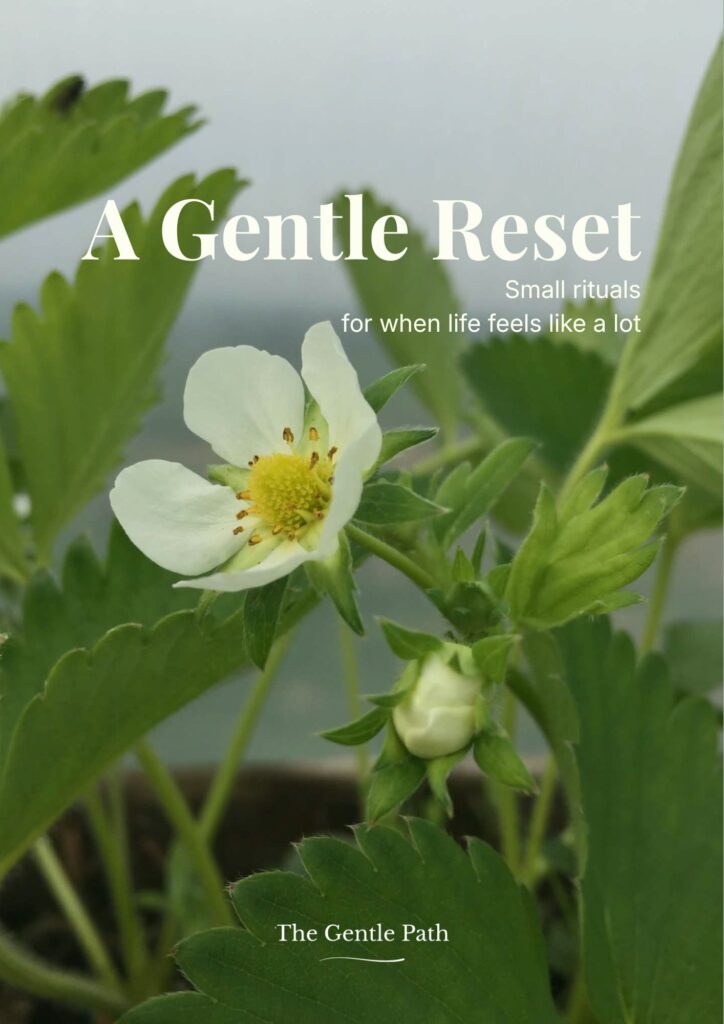
A little something for free — small, gentle rituals for the days that feel like too much.
One response to “Micro Rituals: Simple Practices for Calm Living”
[…] Lighting a candle can also become part of noticing the small details that make a day feel lived rather than just completed — the same kind of small, repeatable moment I wrote about in Micro Rituals: Simple Practices for Calm Living. […]