
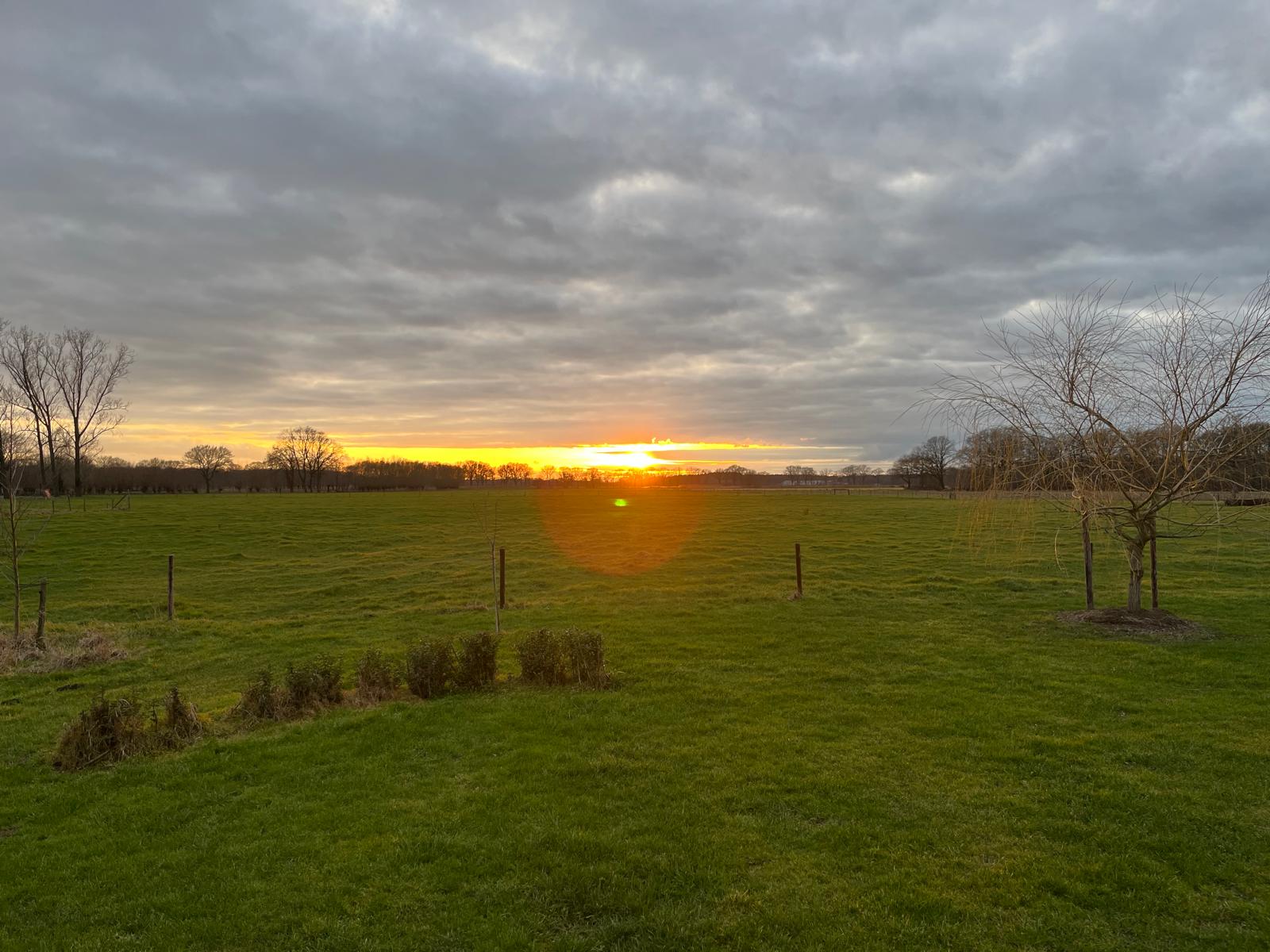
By February, many people start thinking about travel.
Not in a concrete way yet — more as a feeling.
A week away. A change of scenery. Something to look forward to once winter loosens its grip.
And yet, for many of us, the moment we start thinking about holidays, something tightens instead of opening. Alongside anticipation, there’s a quiet tension. Planning time off begins to feel oddly familiar — another thing to get right, another project to manage well.
Somewhere along the way, travel picked up the same logic as the rest of life.
When a Holiday Starts to Feel Heavy
Most of us don’t plan exhausting trips on purpose.
It usually happens gently. We start with one place, then add another because we’re already there. Days fill up almost without noticing. There’s a sense that time away is limited, precious, and should therefore be used well.
Before long, the holiday looks impressive on paper.
And slightly overwhelming in reality.
Not because travel itself is wrong — but because the pace has drifted away from what we actually need.
A Quieter Way to Begin
Slow travel doesn’t start with destinations or itineraries.
It starts with a different question:
How do I want to feel while I’m there — and when I come home?
That question shifts the entire tone of planning.
It brings attention back to the body instead of the schedule.
To energy instead of experiences.
Suddenly, choices become simpler. Not easier — but clearer.
Letting Go of Travel as Performance
A lot of what drains us about travel isn’t movement.
It’s expectation.
The unspoken pressure to fill every day. To be enthusiastic. To turn moments into memories worth sharing. To come back with stories — and images — that prove the time away was worth it.
There’s also the quieter pressure of visibility.
The sense that a holiday needs at least one perfect picture. That if nothing looks beautiful enough to share, the trip somehow didn’t count. That rest, quiet, or ordinary days don’t translate well unless they can be framed just right.
Slow travel loosens that grip.
There’s no need to “do” a place properly. No obligation to see everything or keep moving. Some days might be about wandering. Others might be about returning to the same café, taking the same walk, or staying in altogether.
Both belong.
What Slow Travel Feels Like
Slow travel often looks ordinary from the outside.
It might mean staying in one place instead of moving around. Choosing surroundings that are easy to navigate. Letting days unfold without a fixed plan.
It can look like long walks without a destination.
Like afternoons that aren’t “used.”
Like allowing an early night without guilt.
These choices aren’t about missing out.
They’re about creating space — inside the day, and inside yourself.
After Choosing the Place
A week ago, I took a short slow travel break with the campervan and the dogs.
I had planned the place carefully — a quiet spot overlooking open fields — and let the rest remain open. No route to follow, no sightseeing planned, no list of things to do. Just a container that could hold the days as they came.
I slept a lot. I did a lot of niksen — not as a concept, but as something that simply happened when there was nothing pulling at my attention.
Because I wasn’t filling the days, I started noticing what was already there.
A small group of deer passed quietly in front of the campervan one morning, close enough that time seemed to slow with them. A stork couple crossed the fields day after day, unhurried and dignified, like a king and queen making their rounds. And each evening, the sky shifted from deep orange into purple, in a way that only reveals itself if you’re actually there to see it.
None of this would have happened if I’d buried my face in work, or even in a book.
Slow travel, for me, wasn’t about going anywhere. It was about looking up. About being aware of my surroundings. About letting my mind wander, clear, or simply rest.
I didn’t push myself to explore. I didn’t tell myself I should do something with the day. And in not doing much at all, something else opened — a quiet attentiveness that felt deeply restoring.
Planning With Space Built In
Planning a slow travel year doesn’t mean leaving everything to chance.
It means planning with space in mind.
Space to rest.
Space to change your mind.
Space for days where the most important decision is whether to go out — or stay in.
It’s choosing places that feel lived in rather than impressive. Allowing time to settle instead of rushing to the next thing. Letting quiet moments be part of the experience, not something to escape.
When the container is right, the days don’t need to be managed.
Curbing Expectations Without Lowering the Bar
One of the hidden fears around slow travel is disappointment.
If you don’t plan much, will the trip still be what you hoped for?
If you let days unfold, will they feel meaningful — or vague?
If rest is what you needed, but you end up sleeping a lot, will you return home wondering whether you wasted precious days?
These are reasonable questions.
We’ve been taught that time off has to deliver something.
Memories. Experiences. Energy. Transformation.
Slow travel doesn’t remove expectation —
it asks you to change where you place it.
Instead of expecting each day to feel special, it helps to hold a quieter intention.
Not what you will do, but what you’re making room for.
Rest, for example, often doesn’t feel rewarding while it’s happening.
Sleeping in, moving slowly, doing very little can look empty from the outside.
Only later does its value become clear — in steadier energy, in fewer sharp edges, in a body that feels more like home again.
That doesn’t mean everything should be left to chance.
Slow travel still benefits from gentle anchors:
a place you’ve chosen carefully, a rhythm that suits you, a few touchstones that give the days shape. What it lets go of is the idea that every day must justify itself.
A slow travel holiday might not leave you with many stories.
But it may leave you with something quieter — the feeling that you were allowed to arrive, and stay, without rushing yourself back into motion.
And that, too, is a valid way for time away to be “worth it.”
Something to Look Forward To
A slow travel year isn’t about escaping life.
It’s about choosing a different rhythm for a while — one that doesn’t demand constant engagement or optimisation.
Travel can become something you genuinely look forward to again.
Something that restores instead of depletes.
Something you return from feeling settled, not behind.
Planning this way isn’t about doing travel “right.”
It’s about allowing time away to actually feel like time away.
A Quiet Closing Moment
And perhaps, when you think about the year ahead, it’s enough to let the idea of travel soften.
Not as something that needs to deliver or impress —
but as time that meets you where you are, and lets you return without feeling rushed.
Did you know you can also slow travel in cities? Check out City Travel in a Gentler Pace