
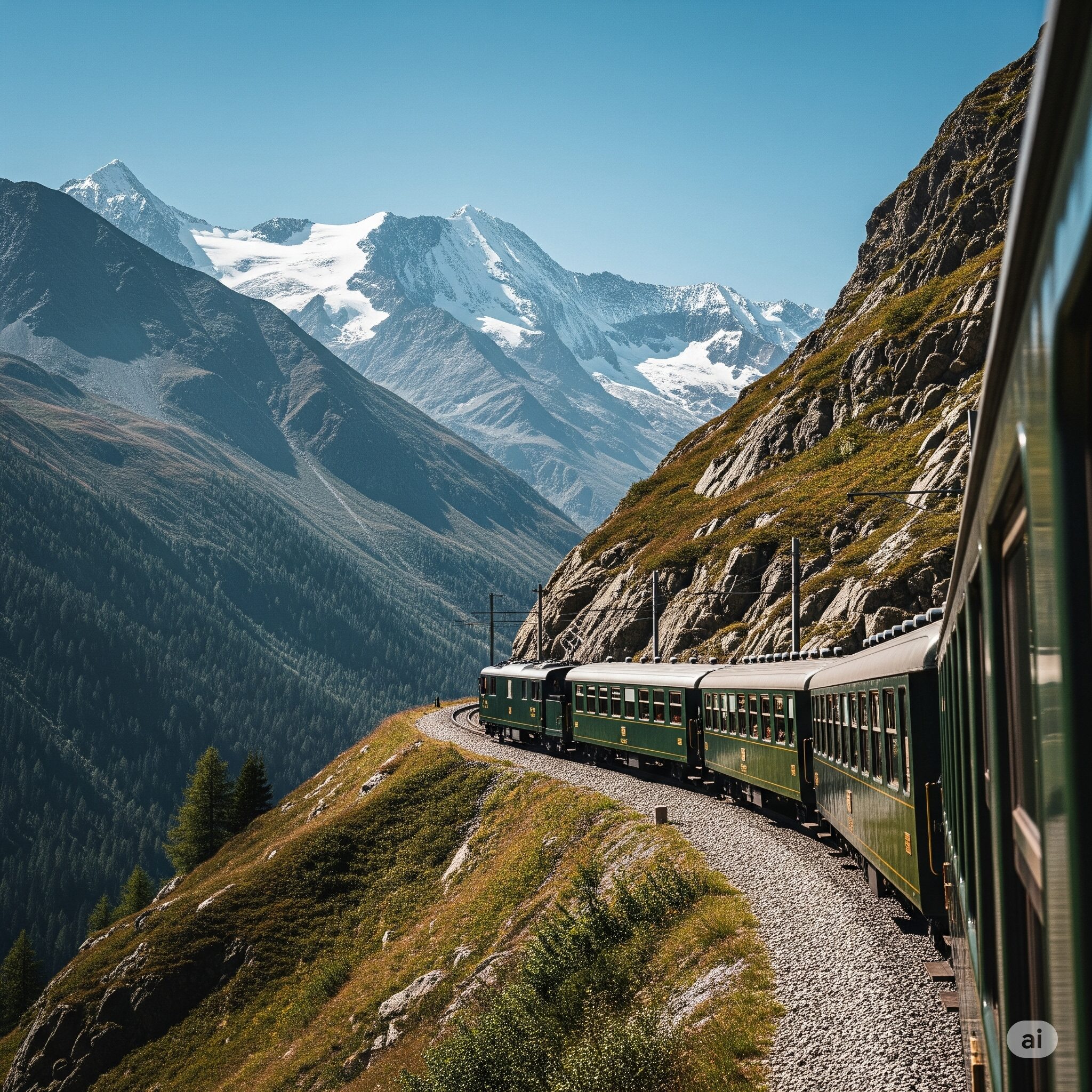
Somewhere along the way, travel became something to conquer. An itinerary to fill. A checklist to complete. A race from landmark to landmark — arrive, photograph, move on.
Slow travel is the alternative to that. It’s a way of moving through the world that prioritises depth over breadth, presence over efficiency — staying longer in fewer places, choosing trains and buses and your own feet over flights between five cities in a week, and leaving enough unplanned time to actually notice where you are.
What Slow Travel Actually Means
Slow travel means spending more time in fewer places rather than moving quickly between many. It means choosing forms of transport — trains, ferries, bicycles, walking — that let you experience the landscape rather than skip over it. And it means leaving deliberate gaps in your plans for things you didn’t expect to find.
The shift isn’t really about transportation. It’s about transformation — about what travelling this way does to your attention, your nervous system, and your relationship to the place you’re visiting.
You might see fewer things. You’ll likely feel more about each one.
How to Actually Slow Down the Way You Travel
Slow travel isn’t a specific route or a specific destination. It’s a set of choices about how you move. Here’s where to start:
Stay longer in fewer places. Three nights in one town teaches you more than one night in three towns. Let the rhythms of a place unfold. Let a café remember your order. Let a walking route become familiar enough that you stop checking the map.
Travel overland when you can. A train lets you watch a landscape change gradually rather than disappear under cloud for two hours. A long-distance bus puts you among people actually living in the region you’re passing through. Walking — genuinely walking, for hours, somewhere — changes your sense of scale entirely.
Leave room to wander without a plan. Skip the top ten list for an afternoon. Follow a street because it looks interesting rather than because a guidebook told you to. Sit on a bench longer than feels necessary. Most of what people remember from a trip wasn’t on the itinerary.
Disconnect more than feels comfortable. Put the phone away for a few hours. Let a conversation, a smell, or simple curiosity guide the next decision instead of a map app’s recommendation.
Travel with less. Fewer bags. Fewer fixed expectations about how the day should go. Less planned means more room for what actually happens.
Let meals and rest be unhurried. A meal eaten quickly between activities is fuel. A meal eaten slowly, with no clock running, becomes part of the trip itself. The same is true of sleep — arriving somewhere exhausted from over-scheduling undermines the entire point of being there.
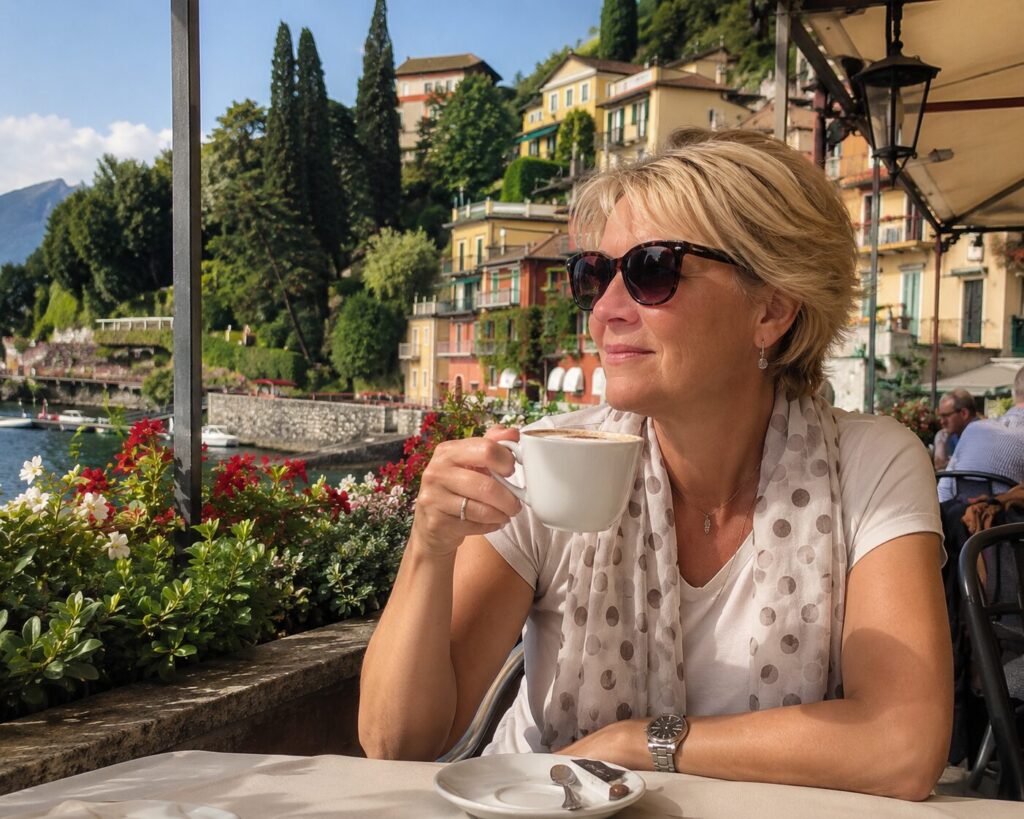
Not just for vanlifers
I travel slowly in a campervan myself — not because it’s fashionable, but because it gives me time. Time to follow the weather rather than a schedule. Time to stop because a view demanded it rather than because a stop was planned.
But slow travel doesn’t need wheels, and it definitely doesn’t need a vehicle of your own. It can look like:
A walking holiday through a string of quiet coastal villages, with no destination beyond the next one. A single long train journey across one country instead of short flights between five. A week in a small town with no agenda beyond being there. A few extra hours in a layover city, spent wandering an early morning market instead of waiting at the gate. A solo trip where the explicit goal is to feel rather than to do.
The distance covered isn’t the measure. How fully you arrive is.
Why This Matters More Than It Used to
Slow travel has become one of the defining travel trends of the decade — search interest in it reached an all-time high in 2026, and interest in specific slow itineraries, like extended stays in single regions of Italy, has roughly doubled in a single month. This isn’t a niche preference anymore. It reflects a broader shift in how people want to experience the places they visit: less checklist, more immersion.
Part of that shift is simple exhaustion with the alternative. A culture that optimises everything, including holidays, eventually produces holidays that need recovering from. Slow travel is, in some ways, a quiet rebellion against that — a reminder that joy tends to live in the pauses, not in how much got covered.
It echoes something we’ve written about elsewhere on The Gentle Path — the idea that saying no isn’t really about refusal, it’s about reclaiming space for what actually matters. Slow travel is the same instinct applied to a map.
The Real Measure of a Trip
Whether you’re planning a long retreat, a short road trip, or simply a gentler version of your next holiday, the invitation is the same: go slowly enough to actually notice where you are.
If you want a real example of what that looks like in practice, a slow weekend in the Belgian Ardennes is a good place to start.
Because the journey isn’t only the path you take. It’s the way you take it.