

Some people think resilience looks like pushing through exhaustion. Like showing up no matter what, always striving, always doing. Falling down and bouncing straight back up — faster each time, stronger each time, never letting anyone see the effort it takes.
But what if that version of resilience is part of the problem?
What if the truest, most sustainable strength isn’t loud at all — but quiet, careful, and kind?
What Quiet Courage Actually Is
Quiet courage is the choice to keep going without burning yourself out in the process.
It’s not the dramatic comeback. It’s not gritting your teeth and pretending you’re fine. It’s something smaller and, I think, far braver: getting back up slowly, with care. Knowing when to pause. Knowing when to ask for help. Knowing when the gentlest path forward is the only one that will actually hold you.
I learned this the hard way. During my own burnout recovery, I kept waiting to feel “resilient” — to feel strong again, ready, back to normal. But the harder I pushed toward that version of recovery, the further away it seemed. It wasn’t until I stopped measuring my healing by how quickly I was bouncing back that things actually began to shift.
Giving yourself permission to stop on the hard days — truly stop, not just slow down temporarily — turned out to be the most courageous thing I did.
Why Our Culture Makes This Hard
We live in a culture that rewards loud, visible strength. The person who works the longest hours. The one who bounces back the fastest. The one who never seems rattled, never seems tired, never seems to need anything from anyone.
This model of resilience is not only exhausting — it’s damaging. It teaches us to override our own signals, to push past limits that exist for good reasons, and to measure our worth by how little we need rather than how well we know ourselves.
Quiet courage says something different. It says: I know my limits, and I respect them. I know when I need rest, and I take it. I know when I need support, and I ask for it. Rebuilding with intention rather than rushing back to normal is its own kind of bravery — one that the world rarely applauds but that your body and mind will thank you for.
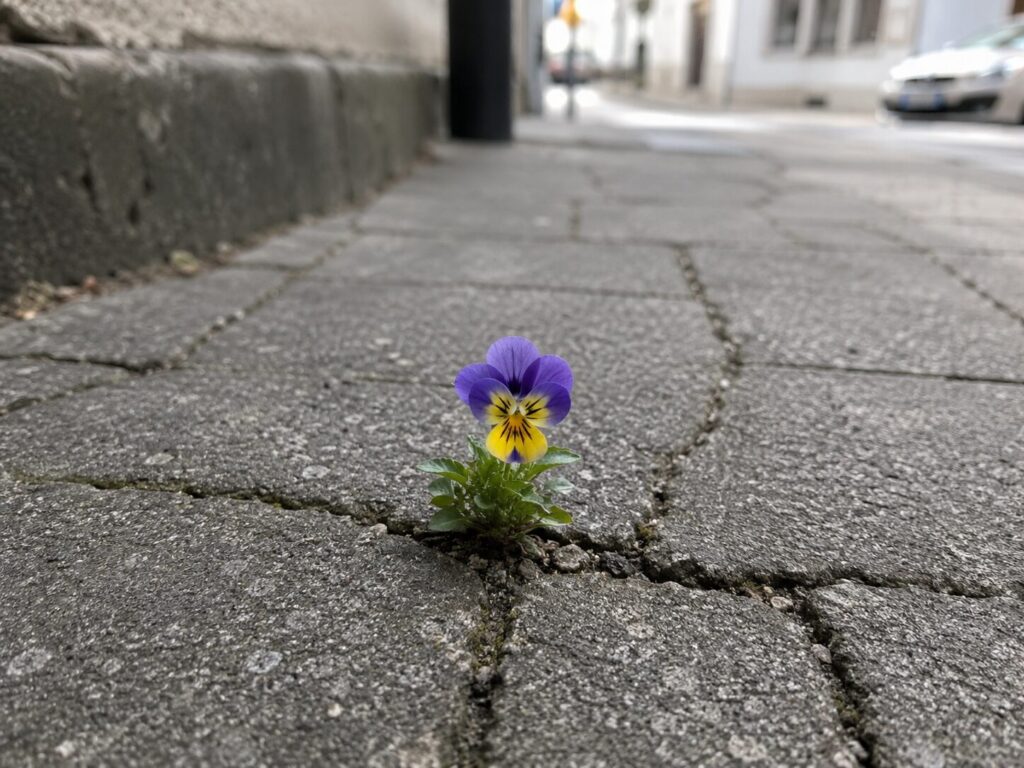
The Role of Real Self-Care
Self-care is often painted as bubble baths and candles. And while those can be lovely, true self-care goes deeper. It’s the daily decision to protect your wellbeing — body, mind, and heart — even when the world is asking for more than you have.
Real self-care looks like:
- Saying no to the extra project when your energy is already stretched
- Turning off your phone for the evening and actually meaning it
- Making space to eat real meals instead of skipping them to meet deadlines
- Going to bed when you’re tired rather than pushing through for one more hour
- Releasing the ‘shoulds’ that pile up and drain you before the day has even begun
This kind of self-care isn’t indulgent. It’s maintenance. It creates the space you need to recover, reflect, and return — not just functional, but genuinely well.
If you’re looking for small rituals to help you through this, A Gentle Reset is a free e-book written for exactly this kind of care.
The Power of Self-Kindness
Self-kindness is what keeps resilience from turning into another performance.
When things are hard — when you’re tired, when you’ve made a mistake, when you can’t seem to move as fast as you think you should — the way you speak to yourself matters enormously. Most of us would never speak to a struggling friend the way we speak to ourselves in those moments.
Self-kindness means:
- Forgiving yourself for not having all the answers
- Choosing compassion over criticism when you fall short
- Recognising that rest and patience are not signs of weakness — they’re signs of trust
- Measuring your worth by something other than output
When you practice this consistently, something quietly shifts. You stop bracing against difficulty and start moving through it more fluidly. Not because the difficulty disappears — but because you stop making it worse by fighting yourself at the same time.
Five Ways to Build Gentle Resilience
1. Set softer goals. Aim for progress over perfection. Ask not “did I do everything?” but “did I move forward, even a little?” Small, consistent steps build more lasting strength than occasional bursts of effort followed by collapse.
2. Rest without guilt. Stillness is not the opposite of resilience — it’s part of it. Your brain consolidates learning during rest. Your body repairs during sleep. Your nervous system resets during quiet. Rest is productive, even when it doesn’t look like anything is happening.
3. Stay connected. Quiet resilience doesn’t mean going it alone. Let trusted people support you. Tell someone how you actually are, not just the polished version. Connection is one of the most powerful regulators of the nervous system we have.
4. Notice small wins. They prove you’re moving forward even when it doesn’t feel that way. A day where you were kind to yourself. A boundary you held. A moment where you chose rest over pushing through. These count. They always counted.
5. Speak to yourself like a friend. The words you use with yourself become the atmosphere you live in. Make it kind. Make it patient. Make it honest without being cruel.
Your Version of Strength
Your resilience might not look like anyone else’s — and that’s exactly the point.
Quiet courage honours your limits while keeping your heart open. It’s the steady, unglamorous bravery of showing up for yourself, day after day, without the hard edges the world so often demands.
It doesn’t make headlines. It doesn’t get applauded. But it builds something that loud resilience rarely does: a life that actually holds you.
If this resonated with you, The Strength in Being Kind explores why softness is one of the most underrated forms of strength. And if you’re in a place where quiet courage means reaching out rather than going it alone, Finding Support on the Gentle Path Out of Burnout is a warm and honest guide to doing exactly that.
A little something for free — small, gentle rituals for the days that feel like too much.