
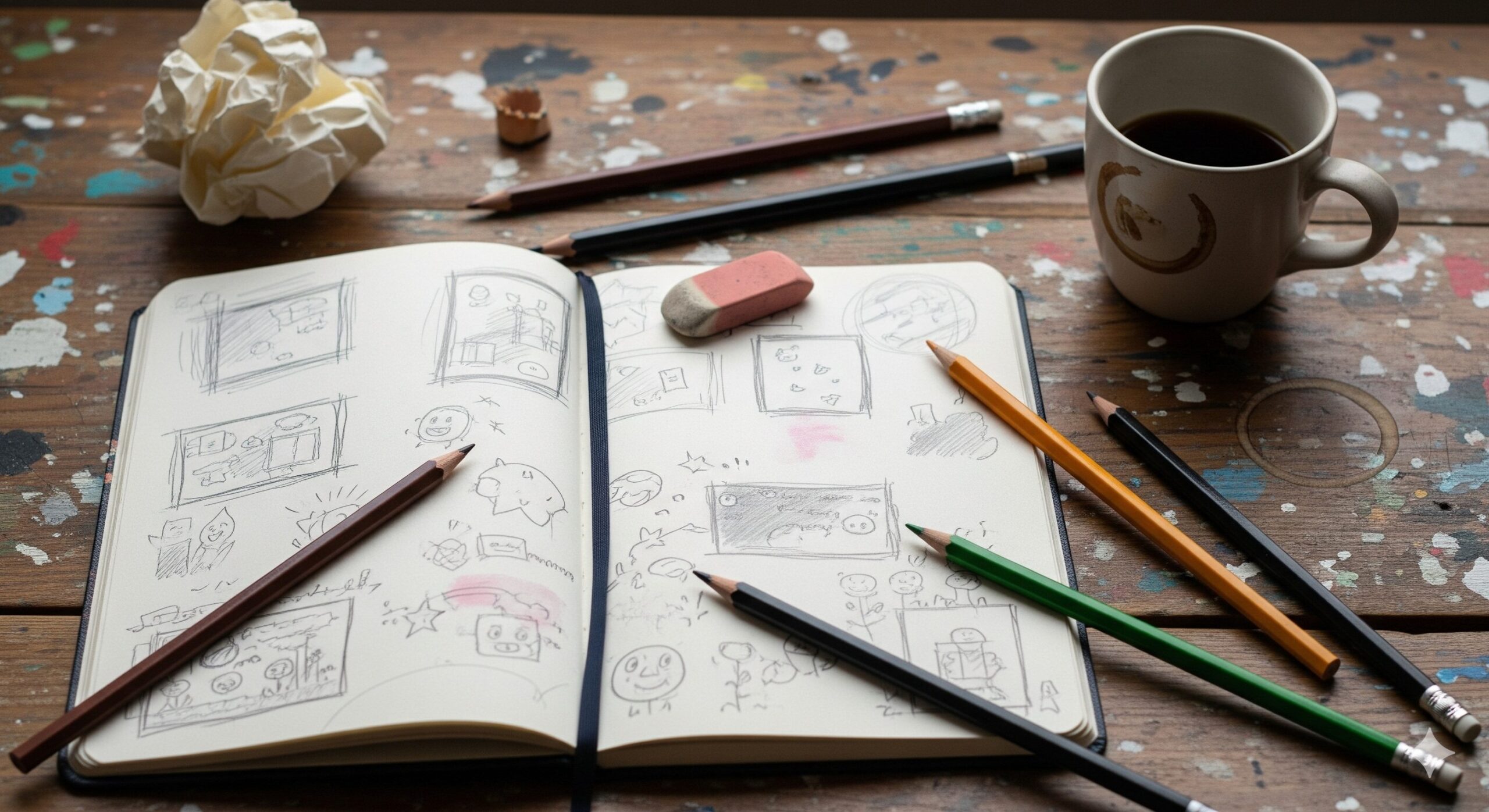
When we talk about self-development, the conversation usually circles around productivity, career milestones, or personal goals. We celebrate growth when it looks measurable: promotions, fitness achievements, financial gains, or ticked-off checklists. We rarely talk about creativity as part of that journey. And when we do, it often gets dismissed as a hobby or something indulgent—a luxury rather than a necessity.
This way of thinking starts early. In many schools, leaders cut art programs first. Music, drama, and visual arts get treated as extras, not essentials. Children are praised for attending structured clubs and extracurriculars. But fewer adults encourage them to build forts, draw imaginary animals, or invent stories in the backyard. Too often, people see imagination as play, not as a skill. Without stimulation in those early years, it becomes harder to open ourselves up to creativity later in life.
Writer and creativity coach Amie McNee explains this powerfully in her TEDx talk. She reminds us that creativity is one of the most overlooked pillars of personal growth. That’s why reclaiming our time and attention to make art—even imperfectly and quietly—becomes one of the most revolutionary things we can do for ourselves and for the world.
Creativity as Resistance
Our culture tells us that worth comes from output, speed, and external validation. In that context, choosing to paint, write, sew, dance, or doodle is an act of resistance. It declares that your inner life matters as much as your outer performance.
Amie calls creativity a “pillar of self-development” because it teaches skills no productivity hack can replace. For example, you learn resilience when the page stays blank, patience when an idea takes time, and courage when you share something vulnerable. These qualities shape us far beyond the act of making.
The Personal Power of Making
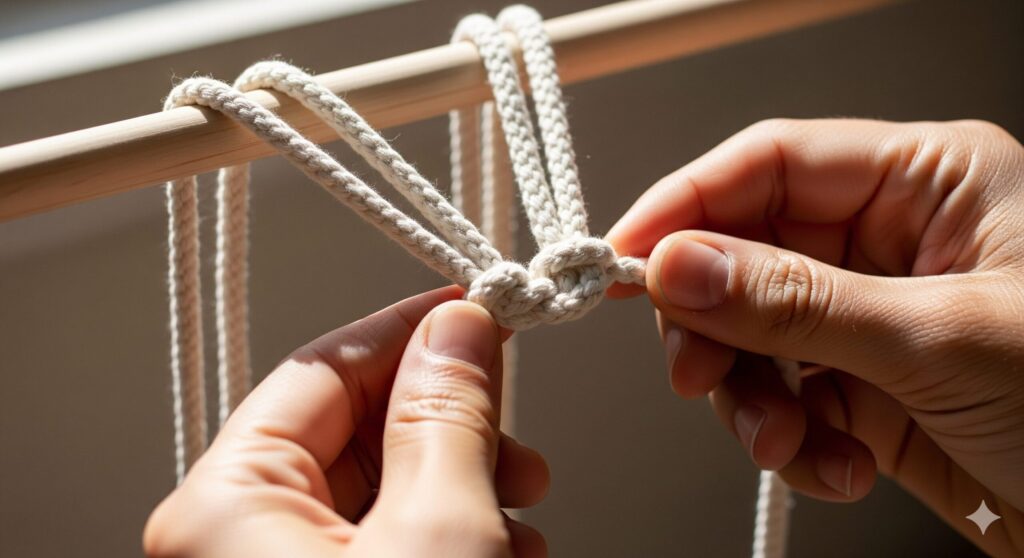
Creativity isn’t about producing something perfect. It’s about making—bringing into existence something that wasn’t there before. This process builds a sense of agency. As a result, it reminds us that we’re not just consumers of the world, but contributors to it.
Think about the last time you made something with your hands or heart. Maybe it was a meal from scratch, a letter written, or a garden planted. Chances are, it grounded you and gave you perspective. In this way, it reminded you of your ability to shape life. That’s the quiet but radical power of creativity.
Creativity and Connection
When we reclaim creative time, the benefits ripple outward. A person who spends an hour writing, painting, or crafting shows up differently in their relationships and work. Creativity fills us up. It helps us meet others with more patience, openness, and authenticity.
In this way, making art—even privately—isn’t selfish. Instead, it’s a form of contribution. The courage to create builds the courage to live more fully.
A Gentle Invitation
You don’t need hours or a studio to begin. A small act of reclaiming is enough: ten minutes with a notebook, a quick sketch, a dance in your living room. Creativity doesn’t demand grandeur. It only asks for presence.
And it also doesn’t ask for perfection. This is where many of us get stuck. Self-development often focuses on productivity, milestones, and goals. When we carry that same mindset into creative work, the joy disappears. We start thinking our art has to be polished, impressive, or worth sharing. But creativity isn’t another task on a to-do list.
For years, I stopped myself from creating—or quit too soon—because the result didn’t match the image in my head. I thought if it wasn’t “good,” it wasn’t worth doing. What I’ve learned, and what Amie McNee reminds us, is that the act itself is what matters. The joy of creativity doesn’t come from producing something perfect. Rather, it comes from play, exploration, and making without expectation.
When we let go of pressure and achievement, creativity becomes what it was always meant to be: a source of joy, presence, and connection to ourselves.
If this resonates, you may also enjoy Embracing Your Creativity Without Pressure—a reflection on how making without expectation can be one of the gentlest gifts we give ourselves.