
When most people picture slow cooking, they think of a crockpot left simmering for hours while everyone gets on with their day. That’s one version of it, certainly. But the slow part, for me, starts long before anything goes near heat. It starts with the choosing.
Choosing What to Cook
Some days I want a recipe that asks for hours — something that needs patience built into it from the start. Other days, slow cooking means the opposite: three or four good ingredients and nothing else, letting each one actually be tasted instead of buried under everything else. Either way, the decision itself takes a beat of attention most weeknights don’t get. What do I actually want tonight, rather than what’s fastest.
Sourcing
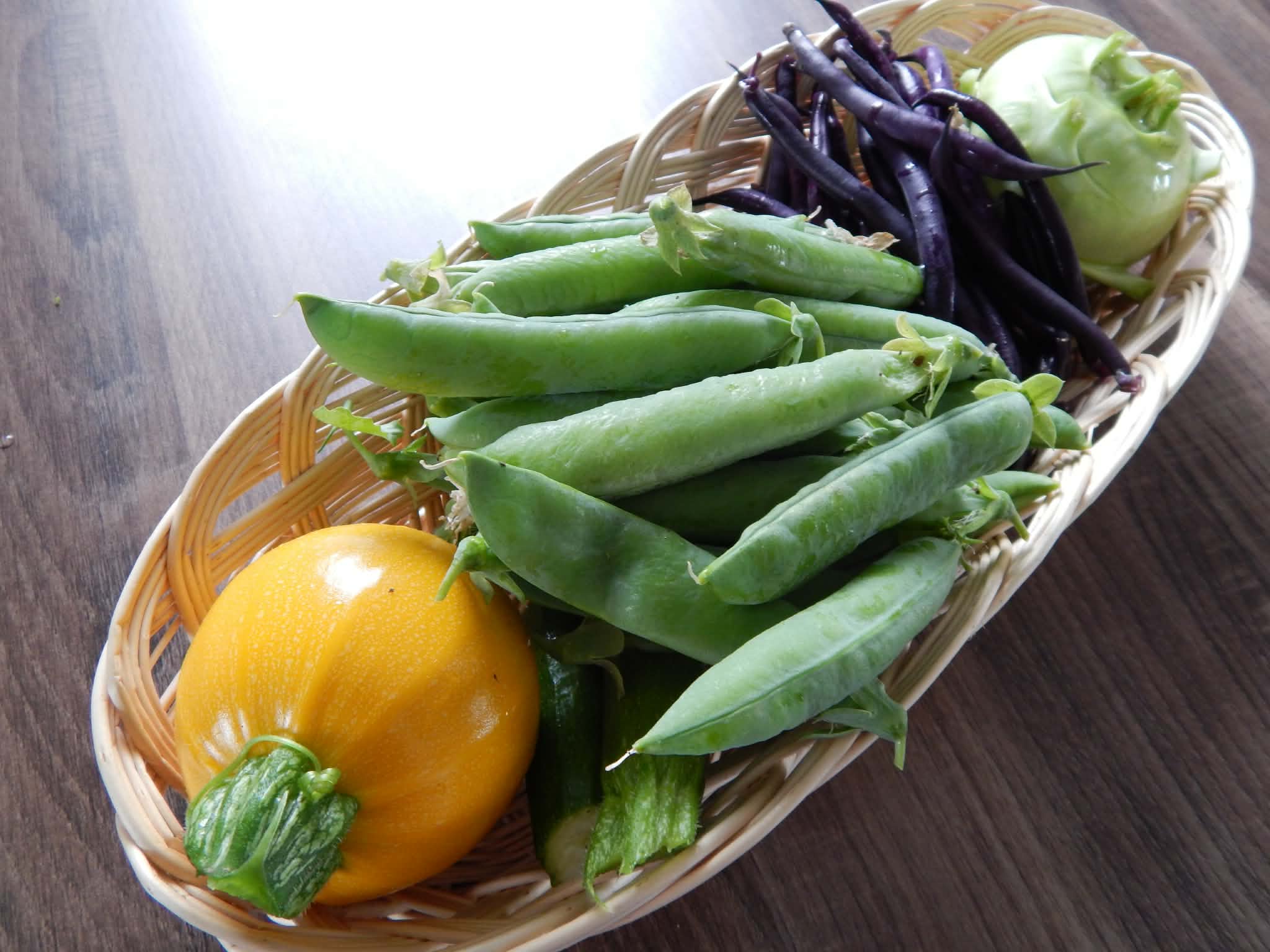
In the warmer months, I go out to the polytunnel or the garden before I decide anything. Whatever’s ready dictates the meal, not the other way round. There’s a particular satisfaction in a dinner that started about fifteen steps from the kitchen door, with soil still on it. In winter, that changes — it’s the pantry instead, and whatever I’ve stocked up reflects the same idea: care taken earlier so the meal doesn’t have to be rushed later.
The Preparation
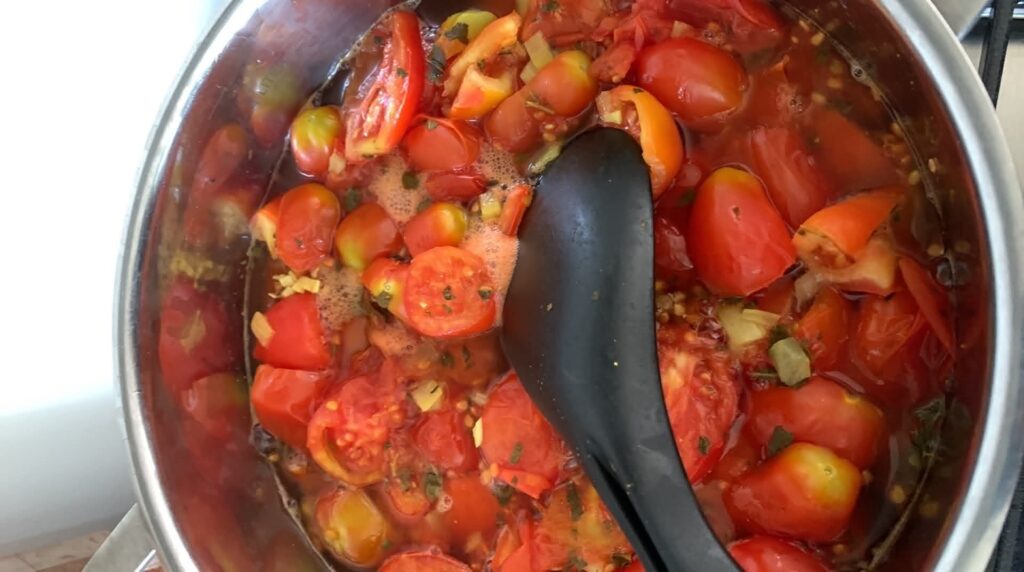
I cook alone, mostly. Music on, something soft, sometimes a glass of wine within reach. This part is genuinely sensory in a way I don’t get much of elsewhere in my day — the smell rising as things hit the pan, the particular weight of a wooden spoon, the heat building slowly off the stove. I lay everything out before I start. Every ingredient measured or chopped and sitting ready, like I’m setting a small stage before the actual performance begins.
My husband gave me a set of Wüsthof knives years ago, and along with them, a single coin — because in some traditions, giving someone a knife is considered bad luck unless the receiver gives a coin back in return, breaking whatever spell the blade might carry. I have no idea if I actually believe that. I kept the coin anyway. There’s something about a piece of folklore like that surviving inside something as ordinary as a kitchen drawer that I find genuinely lovely.
Cooking With Attention
Slow cooking doesn’t require low heat for six hours. It can be a sauce stirred gently instead of left to its own devices. Vegetables roasted past the point where most people pull them out, until the sugars in them actually deepen. I watched the Salt Fat Acid Heat series on Netflix a while back and loved it — Samin Nosrat’s enthusiasm and laugh are genuinely infectious, and the whole thing is built around exactly this kind of pay-attention-to-what’s-in-front-of-you cooking. The book the series is based on is on my to-read list now too.
If that kind of deliberate slowness appeals to you beyond the kitchen, A Gentle Reset is a free e-book of small rituals for bringing that same quality of attention into the rest of your day.
Trying Something New
Growing my own food means I often end up with a lot of the same thing at once. Curly endive, especially — as Dutch people, we love it, and it’s reliable in the garden in a way that means I’m rarely short of it. Most of the time it goes the traditional way: raw in a stew, or cooked with potatoes and a meatball, the way it’s always been done in my family.
But every so often I’ll make myself find a different way into it. Spices I wouldn’t normally reach for. A method I haven’t tried. Nothing dramatic, usually — just enough of a change that the same vegetable I’ve cooked a hundred times feels like it’s asking something new of me. That bit of searching, of actually thinking about what else this ingredient could become instead of falling back on habit, is part of slow cooking too, as far as I’m concerned. It’s just attention pointed at variety instead of patience.
What This Adds Up To
When I stop thinking of slow cooking as a technique or a piece of equipment, it turns into something closer to a way of being in the kitchen at all. It’s connection — to the actual ingredients, to the process of getting from raw to ready, and eventually to whoever’s going to sit down and eat the result. You can taste the difference between a meal someone rushed through and one someone was actually present for, even if you can’t always say exactly how you know.
I don’t do this every night, and I’m not interested in pretending otherwise. But on the evenings I do, something in the whole pace of the house changes along with it — slower, a bit quieter, mine in a way the rest of the day usually isn’t.
For the practical side of all this — what I keep stocked so I’m never caught short — there’s Building a Pantry for Slow Cooking. And if you want the fuller idea behind why any of this matters to me, it starts with The Quiet Art of Slow Cooking, or you can browse the rest of Slow Home.
A little something for free — small, gentle rituals for the days that feel like too much.